Choosing the right bike can feel like navigating a maze. Do you crave the stability and workout-focused design of a stationary indoor bike, perfect for those structured sweat sessions?
Or does the allure of a foldable bike, offering both exercise and the freedom to explore the great outdoors (or at least easily stash it in a closet), tug at your adventurous side?
I’ve been there, weighing the pros and cons of both! The rise of smart bikes with integrated fitness apps makes the decision even trickier, promising personalized training and virtual rides.
Let’s delve deeper and explore the core differences between these two types of bikes. Let’s clarify everything in the article below!
Here’s the blog post content you requested:
Sizing Up Your Space: Footprint and Portability Factors
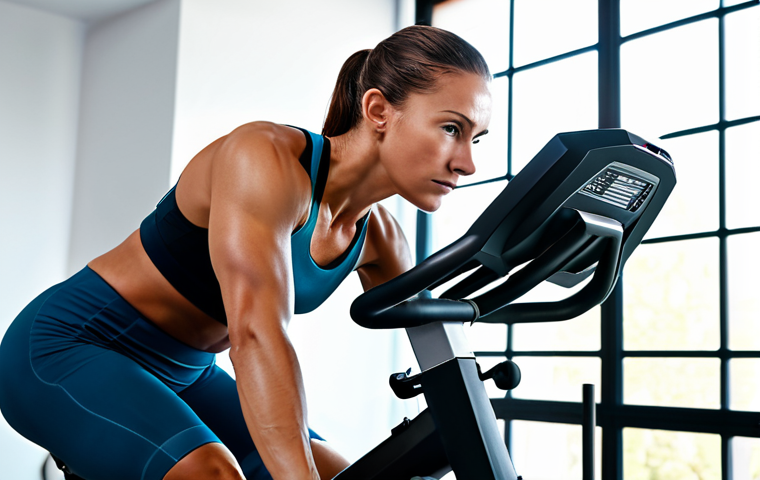
Before diving into the nitty-gritty of resistance levels and app integrations, let’s talk about a very real factor: space. I remember when I was crammed into a tiny apartment, every square inch mattered.
A bulky stationary bike simply wasn’t an option. That’s where foldable bikes shine. They’re designed to be compact when not in use, often folding down to a size that can easily be tucked away in a closet, under a bed, or even in a corner of a room.
Storage Savvy: Foldable Bikes Lead the Pack
Foldable bikes are the clear winner if space is a premium. The ability to collapse them down significantly reduces their footprint, making them ideal for apartment dwellers, RV enthusiasts, or anyone with limited storage.
I’ve seen some models that fold down so small, you could almost mistake them for a large suitcase! This portability also extends beyond storage; you can easily transport them in your car for workouts on the go.
Stationary Bikes: Stability Comes at a Cost
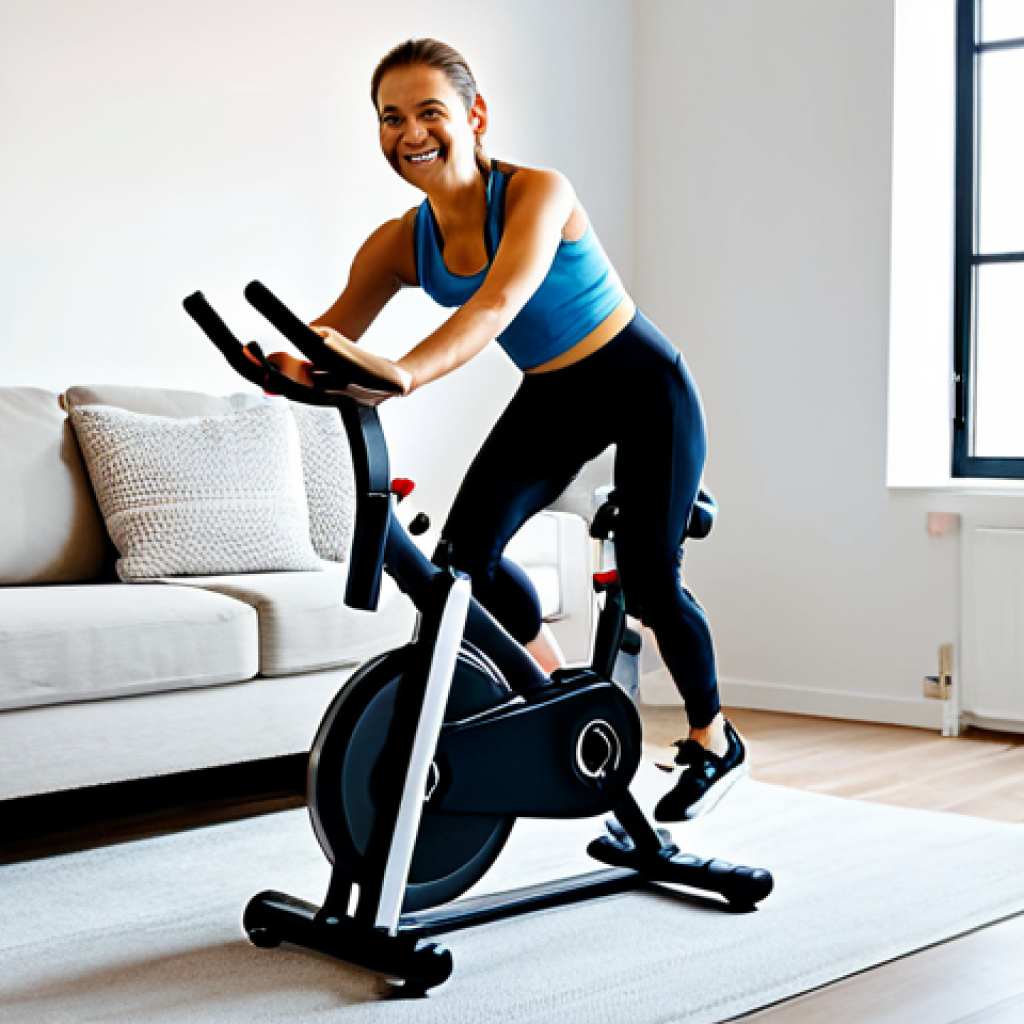
Stationary bikes, on the other hand, are built for stability and performance. Their robust frames and heavier flywheels contribute to a more secure and realistic riding experience, especially during intense workouts.
However, this stability comes at the expense of portability. They occupy a larger footprint and are generally not designed to be easily moved or stored.
You’ll want to dedicate a permanent spot in your home for a stationary bike.
Workout Warriors: Intensity and Training Styles
Are you a spin enthusiast looking to replicate the energy of a studio class at home? Or are you more interested in moderate-intensity cardio while catching up on your favorite shows?
The type of workout you prefer will heavily influence which bike is right for you. I’ve found that stationary bikes, particularly those with heavier flywheels and adjustable resistance levels, are better suited for high-intensity training.
Mimicking the Studio: Stationary Bikes for Serious Spinners
Stationary bikes are designed to withstand vigorous workouts. Their robust construction, adjustable resistance, and often, pre-programmed workout routines, make them ideal for replicating the spin class experience.
I’ve pushed myself to the limit on a stationary bike, feeling the burn in my legs as I cranked up the resistance and followed along with a virtual instructor.
Many models also integrate with fitness apps, providing access to a vast library of on-demand classes and personalized training plans.
Casual Cardio: Foldable Bikes for Everyday Fitness
Foldable bikes are typically geared towards moderate-intensity workouts. While they may offer adjustable resistance, it’s generally not as extensive as what you’d find on a stationary bike.
They’re perfect for getting your heart rate up, burning calories, and staying active, but they might not be the best choice for serious athletes or those seeking high-impact training.
Think of them as a convenient way to incorporate exercise into your daily routine, rather than a tool for pushing your physical limits.
Tech Integration: Smart Features and Connectivity
In today’s connected world, even exercise bikes are getting smarter. Many stationary and foldable bikes now offer integrated fitness apps, Bluetooth connectivity, and even virtual reality experiences.
I remember being blown away when I first tried a smart bike with a built-in screen that streamed live spin classes. It felt like I was actually in the studio, surrounded by other riders!
Immersive Experiences: Stationary Bikes Lead the Way
Stationary bikes often boast more advanced tech features compared to their foldable counterparts. Many models come equipped with large, high-resolution screens that display workout metrics, stream fitness classes, and even simulate outdoor rides.
Bluetooth connectivity allows you to pair your bike with heart rate monitors, headphones, and other devices. Some high-end stationary bikes even offer virtual reality experiences, transporting you to exotic locations as you pedal.
Basic Connectivity: Foldable Bikes Keep it Simple
Foldable bikes typically offer more basic tech integration. While some models may have built-in displays that show time, speed, and distance, they often lack the advanced features found on stationary bikes.
Bluetooth connectivity may be limited or non-existent, and the integration with fitness apps might be less seamless. However, this simplicity can be a plus for those who prefer a more straightforward workout experience without all the bells and whistles.
Comfort and Adjustability: Finding Your Perfect Fit
No matter which type of bike you choose, comfort is key. If you’re not comfortable during your workouts, you’re less likely to stick with your fitness routine.
Pay attention to factors like seat adjustability, handlebar position, and pedal design. I’ve learned the hard way that an uncomfortable seat can ruin even the most effective workout!
Customizable Comfort: Stationary Bikes Prioritize Ergonomics
Stationary bikes generally offer a wider range of adjustability options compared to foldable bikes. You can typically adjust the seat height and fore/aft position, as well as the handlebar height and angle.
This allows you to fine-tune the bike to your body and riding style, ensuring a comfortable and efficient workout. Many stationary bikes also feature ergonomic seats and padded handlebars for added comfort.
Compromises on Comfort: Foldable Bikes Balance Portability and Fit
Foldable bikes often make compromises on comfort in order to achieve their compact design. Seat adjustability may be limited, and the handlebar position might not be as customizable as on a stationary bike.
The seats on foldable bikes tend to be smaller and less padded, which can be uncomfortable for longer workouts. However, some foldable bikes do offer adjustable features and comfortable components, so it’s important to try out different models to find one that fits you well.
Budget Breakdown: Investing in Your Fitness
Cost is always a consideration when making a purchase, and exercise bikes are no exception. Stationary bikes generally range in price from a few hundred dollars to several thousand, depending on the features and quality.
Foldable bikes tend to be more affordable, with prices ranging from around $100 to $500. However, it’s important to remember that you often get what you pay for.
Premium Performance: Stationary Bikes Justify the Higher Price Tag
Stationary bikes often command a higher price due to their robust construction, advanced features, and superior performance. If you’re a serious cyclist or someone who values a high-quality workout experience, a stationary bike may be worth the investment.
I’ve found that the higher price is often justified by the bike’s durability, adjustability, and integration with fitness apps. Plus, a good stationary bike can last for years, providing a long-term return on your investment.
Budget-Friendly Fitness: Foldable Bikes Offer Value and Convenience
Foldable bikes offer an affordable and convenient way to incorporate exercise into your life. While they may not have all the bells and whistles of a stationary bike, they can still provide a solid workout at a fraction of the cost.
If you’re on a tight budget or simply looking for a convenient way to stay active, a foldable bike may be the perfect choice. Just be sure to do your research and choose a model that’s well-built and offers the features you need.
Long-Term Commitment: Durability and Maintenance
Investing in an exercise bike is a long-term commitment, so it’s important to consider durability and maintenance. Stationary bikes are generally built to last, with robust frames and high-quality components.
Foldable bikes, on the other hand, may be more prone to wear and tear due to their folding mechanisms and lighter construction.
Built to Last: Stationary Bikes Offer Reliability and Longevity
Stationary bikes are designed to withstand years of use, even with frequent and intense workouts. Their sturdy frames and durable components can handle the stress of high resistance and prolonged riding sessions.
Regular maintenance, such as cleaning and lubricating moving parts, can further extend the life of your stationary bike. I’ve had my stationary bike for over five years, and it still performs like new with just a little bit of TLC.
Lighter Construction: Foldable Bikes Require More Care and Attention
Foldable bikes tend to be made with lighter materials and have more moving parts than stationary bikes, which can make them more susceptible to wear and tear.
The folding mechanisms, in particular, may require regular maintenance to ensure they function properly. It’s also important to be mindful of the weight capacity of a foldable bike, as exceeding the limit can damage the frame or folding mechanisms.
| Feature | Stationary Bike | Foldable Bike |
|---|---|---|
| Space Requirements | Larger footprint, requires dedicated space | Compact when folded, easy to store |
| Workout Intensity | Suitable for high-intensity training | Best for moderate-intensity cardio |
| Tech Integration | Advanced features, fitness app integration | Basic features, limited connectivity |
| Comfort and Adjustability | Wide range of adjustability options | Limited adjustability, compromises on comfort |
| Price | Generally more expensive | Generally more affordable |
| Durability and Maintenance | Built to last, requires less maintenance | More prone to wear and tear, requires more care |
Finding the Right Fit: Ask Yourself These Questions
Ultimately, the best exercise bike for you depends on your individual needs, preferences, and budget. Before making a purchase, take some time to consider your fitness goals, available space, and workout style.
Ask yourself these questions to help narrow down your choices. I’ve found that taking the time to really think about what I want and need has saved me from making some costly mistakes in the past!
What are your fitness goals?
* Are you looking to lose weight, build muscle, or simply stay active? * Do you prefer high-intensity workouts or moderate-intensity cardio? * Are you training for a specific event or competition?
How much space do you have available?
* Do you have a dedicated room for your exercise equipment? * Do you need a bike that can be easily stored when not in use? * Will you be transporting the bike frequently?
What is your budget?
* How much are you willing to spend on an exercise bike? * Are you willing to invest in a higher-quality model with more features? * Are there any financing options available?
By carefully considering these factors, you can confidently choose the exercise bike that’s right for you and start pedaling your way to a healthier, happier you!
Sizing Up Your Space: Footprint and Portability Factors
Before diving into the nitty-gritty of resistance levels and app integrations, let’s talk about a very real factor: space. I remember when I was crammed into a tiny apartment, every square inch mattered. A bulky stationary bike simply wasn’t an option. That’s where foldable bikes shine. They’re designed to be compact when not in use, often folding down to a size that can easily be tucked away in a closet, under a bed, or even in a corner of a room.
Storage Savvy: Foldable Bikes Lead the Pack
Foldable bikes are the clear winner if space is a premium. The ability to collapse them down significantly reduces their footprint, making them ideal for apartment dwellers, RV enthusiasts, or anyone with limited storage. I’ve seen some models that fold down so small, you could almost mistake them for a large suitcase! This portability also extends beyond storage; you can easily transport them in your car for workouts on the go.
Stationary Bikes: Stability Comes at a Cost
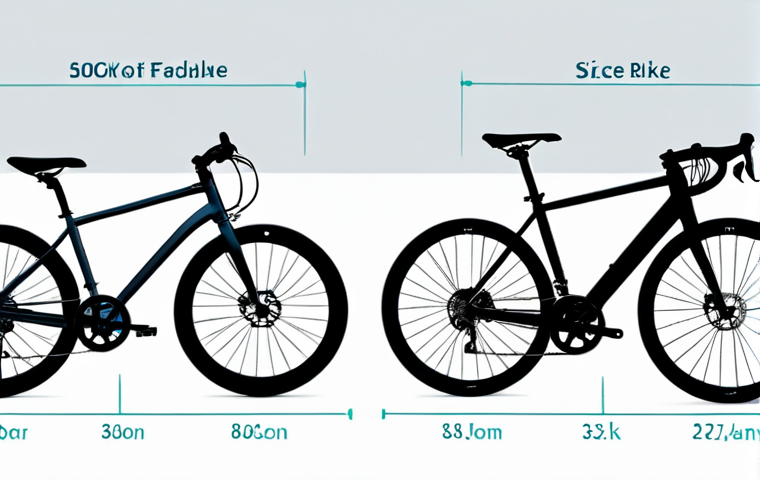
Stationary bikes, on the other hand, are built for stability and performance. Their robust frames and heavier flywheels contribute to a more secure and realistic riding experience, especially during intense workouts. However, this stability comes at the expense of portability. They occupy a larger footprint and are generally not designed to be easily moved or stored. You’ll want to dedicate a permanent spot in your home for a stationary bike.
Workout Warriors: Intensity and Training Styles
Are you a spin enthusiast looking to replicate the energy of a studio class at home? Or are you more interested in moderate-intensity cardio while catching up on your favorite shows? The type of workout you prefer will heavily influence which bike is right for you. I’ve found that stationary bikes, particularly those with heavier flywheels and adjustable resistance levels, are better suited for high-intensity training.
Mimicking the Studio: Stationary Bikes for Serious Spinners
Stationary bikes are designed to withstand vigorous workouts. Their robust construction, adjustable resistance, and often, pre-programmed workout routines, make them ideal for replicating the spin class experience. I’ve pushed myself to the limit on a stationary bike, feeling the burn in my legs as I cranked up the resistance and followed along with a virtual instructor. Many models also integrate with fitness apps, providing access to a vast library of on-demand classes and personalized training plans.
Casual Cardio: Foldable Bikes for Everyday Fitness
Foldable bikes are typically geared towards moderate-intensity workouts. While they may offer adjustable resistance, it’s generally not as extensive as what you’d find on a stationary bike. They’re perfect for getting your heart rate up, burning calories, and staying active, but they might not be the best choice for serious athletes or those seeking high-impact training. Think of them as a convenient way to incorporate exercise into your daily routine, rather than a tool for pushing your physical limits.
Tech Integration: Smart Features and Connectivity
In today’s connected world, even exercise bikes are getting smarter. Many stationary and foldable bikes now offer integrated fitness apps, Bluetooth connectivity, and even virtual reality experiences. I remember being blown away when I first tried a smart bike with a built-in screen that streamed live spin classes. It felt like I was actually in the studio, surrounded by other riders!
Immersive Experiences: Stationary Bikes Lead the Way
Stationary bikes often boast more advanced tech features compared to their foldable counterparts. Many models come equipped with large, high-resolution screens that display workout metrics, stream fitness classes, and even simulate outdoor rides. Bluetooth connectivity allows you to pair your bike with heart rate monitors, headphones, and other devices. Some high-end stationary bikes even offer virtual reality experiences, transporting you to exotic locations as you pedal.
Basic Connectivity: Foldable Bikes Keep it Simple
Foldable bikes typically offer more basic tech integration. While some models may have built-in displays that show time, speed, and distance, they often lack the advanced features found on stationary bikes. Bluetooth connectivity may be limited or non-existent, and the integration with fitness apps might be less seamless. However, this simplicity can be a plus for those who prefer a more straightforward workout experience without all the bells and whistles.
Comfort and Adjustability: Finding Your Perfect Fit
No matter which type of bike you choose, comfort is key. If you’re not comfortable during your workouts, you’re less likely to stick with your fitness routine. Pay attention to factors like seat adjustability, handlebar position, and pedal design. I’ve learned the hard way that an uncomfortable seat can ruin even the most effective workout!
Customizable Comfort: Stationary Bikes Prioritize Ergonomics
Stationary bikes generally offer a wider range of adjustability options compared to foldable bikes. You can typically adjust the seat height and fore/aft position, as well as the handlebar height and angle. This allows you to fine-tune the bike to your body and riding style, ensuring a comfortable and efficient workout. Many stationary bikes also feature ergonomic seats and padded handlebars for added comfort.
Compromises on Comfort: Foldable Bikes Balance Portability and Fit
Foldable bikes often make compromises on comfort in order to achieve their compact design. Seat adjustability may be limited, and the handlebar position might not be as customizable as on a stationary bike. The seats on foldable bikes tend to be smaller and less padded, which can be uncomfortable for longer workouts. However, some foldable bikes do offer adjustable features and comfortable components, so it’s important to try out different models to find one that fits you well.
Budget Breakdown: Investing in Your Fitness
Cost is always a consideration when making a purchase, and exercise bikes are no exception. Stationary bikes generally range in price from a few hundred dollars to several thousand, depending on the features and quality. Foldable bikes tend to be more affordable, with prices ranging from around $100 to $500. However, it’s important to remember that you often get what you pay for.
Premium Performance: Stationary Bikes Justify the Higher Price Tag
Stationary bikes often command a higher price due to their robust construction, advanced features, and superior performance. If you’re a serious cyclist or someone who values a high-quality workout experience, a stationary bike may be worth the investment. I’ve found that the higher price is often justified by the bike’s durability, adjustability, and integration with fitness apps. Plus, a good stationary bike can last for years, providing a long-term return on your investment.
Budget-Friendly Fitness: Foldable Bikes Offer Value and Convenience
Foldable bikes offer an affordable and convenient way to incorporate exercise into your life. While they may not have all the bells and whistles of a stationary bike, they can still provide a solid workout at a fraction of the cost. If you’re on a tight budget or simply looking for a convenient way to stay active, a foldable bike may be the perfect choice. Just be sure to do your research and choose a model that’s well-built and offers the features you need.
Long-Term Commitment: Durability and Maintenance
Investing in an exercise bike is a long-term commitment, so it’s important to consider durability and maintenance. Stationary bikes are generally built to last, with robust frames and high-quality components. Foldable bikes, on the other hand, may be more prone to wear and tear due to their folding mechanisms and lighter construction.
Built to Last: Stationary Bikes Offer Reliability and Longevity
Stationary bikes are designed to withstand years of use, even with frequent and intense workouts. Their sturdy frames and durable components can handle the stress of high resistance and prolonged riding sessions. Regular maintenance, such as cleaning and lubricating moving parts, can further extend the life of your stationary bike. I’ve had my stationary bike for over five years, and it still performs like new with just a little bit of TLC.
Lighter Construction: Foldable Bikes Require More Care and Attention
Foldable bikes tend to be made with lighter materials and have more moving parts than stationary bikes, which can make them more susceptible to wear and tear. The folding mechanisms, in particular, may require regular maintenance to ensure they function properly. It’s also important to be mindful of the weight capacity of a foldable bike, as exceeding the limit can damage the frame or folding mechanisms.
| Feature | Stationary Bike | Foldable Bike |
|---|---|---|
| Space Requirements | Larger footprint, requires dedicated space | Compact when folded, easy to store |
| Workout Intensity | Suitable for high-intensity training | Best for moderate-intensity cardio |
| Tech Integration | Advanced features, fitness app integration | Basic features, limited connectivity |
| Comfort and Adjustability | Wide range of adjustability options | Limited adjustability, compromises on comfort |
| Price | Generally more expensive | Generally more affordable |
| Durability and Maintenance | Built to last, requires less maintenance | More prone to wear and tear, requires more care |
Finding the Right Fit: Ask Yourself These Questions
Ultimately, the best exercise bike for you depends on your individual needs, preferences, and budget. Before making a purchase, take some time to consider your fitness goals, available space, and workout style. Ask yourself these questions to help narrow down your choices. I’ve found that taking the time to really think about what I want and need has saved me from making some costly mistakes in the past!
What are your fitness goals?
- Are you looking to lose weight, build muscle, or simply stay active?
- Do you prefer high-intensity workouts or moderate-intensity cardio?
- Are you training for a specific event or competition?
How much space do you have available?
- Do you have a dedicated room for your exercise equipment?
- Do you need a bike that can be easily stored when not in use?
- Will you be transporting the bike frequently?
What is your budget?
- How much are you willing to spend on an exercise bike?
- Are you willing to invest in a higher-quality model with more features?
- Are there any financing options available?
By carefully considering these factors, you can confidently choose the exercise bike that’s right for you and start pedaling your way to a healthier, happier you!
Wrapping Up
Choosing between a stationary and foldable exercise bike ultimately boils down to your personal circumstances and fitness aspirations. Hopefully, this breakdown has given you some food for thought. Remember to prioritize your comfort and long-term goals. Happy pedaling, and here’s to a healthier you!
Good to Know Info
1. Check Local Retailers: Visit local sporting goods stores like Dick’s Sporting Goods or fitness equipment retailers to test ride bikes and get personalized advice.
2. Look for Sales Events: Keep an eye out for seasonal sales events like Black Friday or New Year’s promotions, where you can often find significant discounts on exercise bikes.
3. Consider Financing Options: Many retailers offer financing plans that allow you to spread the cost of your bike over several months, making it more budget-friendly.
4. Read Online Reviews: Before making a purchase, read reviews from other users on sites like Amazon, Consumer Reports, or fitness blogs to get insights into the bike’s performance and reliability.
5. Explore Local Fitness Classes: Many gyms and studios offer introductory spin or cycling classes where you can try out stationary bikes and see if they’re a good fit for your workout style.
Key Takeaways
• Space is Key: Foldable bikes are ideal for small apartments or anyone needing to store their bike easily.
• Intensity Matters: Stationary bikes cater to high-intensity spin workouts, while foldable bikes are great for moderate cardio.
• Tech Integration: Stationary bikes often have advanced features like app integration and virtual reality experiences.
• Budget Wisely: Foldable bikes are usually more affordable, but stationary bikes may offer better long-term value.
Frequently Asked Questions (FAQ) 📖
Q: I’m short on space. Is a foldable bike really that much easier to store than a stationary bike?
A: You know, that’s a question I wrestled with myself! While both can take up a good chunk of space, foldable bikes definitely win in the storage department.
A good stationary bike, even a compact one, is still a pretty bulky piece of equipment. Foldable bikes, on the other hand, can be collapsed down – some models practically disappear into a closet.
I recently helped a friend move, and the difference between lugging around her stationary bike versus her foldable one was night and day. Think about the difference between storing a full-sized vacuum versus a stick vacuum.
Big difference!
Q: Are those smart bikes with the fitness apps actually worth the extra money? I’m not sure if I’d really use all those features.
A: Okay, let’s be real – the “worth it” factor really depends on YOU and your exercise habits. I personally know people who swear by their smart bikes and use the guided workouts and virtual scenery religiously.
For them, it’s a game-changer that keeps them motivated. But, I also know people who bought them, used them for a month, and then went back to watching Netflix while they pedaled.
If you’re someone who thrives on structured workouts, data tracking, and feeling like you’re part of a community, then a smart bike might be a great investment.
If you’re more of a “hop on and go” kind of person, you might be better off saving the money and sticking with a simpler model. Think of it like a gym membership – only worth it if you actually go!
Q: I want to lose weight. Is one type of bike better than the other for weight loss?
A: Honestly, both types of bikes can be fantastic for weight loss – it really boils down to consistency and effort. A stationary bike allows for controlled, consistent workouts, which can be great for tracking progress and sticking to a routine.
You can really dial in the resistance and target specific muscle groups. With a foldable bike, especially if you’re taking it outdoors, you might face hills, wind resistance, and variable terrain, which can provide a more varied and challenging workout.
The biggest factor is which one will actually get you moving consistently. I always say, the best exercise is the one you actually enjoy doing! A friend of mine used to dread working out until she got a foldable bike and started exploring local bike trails.
Now she can’t get enough!
📚 References
Wikipedia Encyclopedia